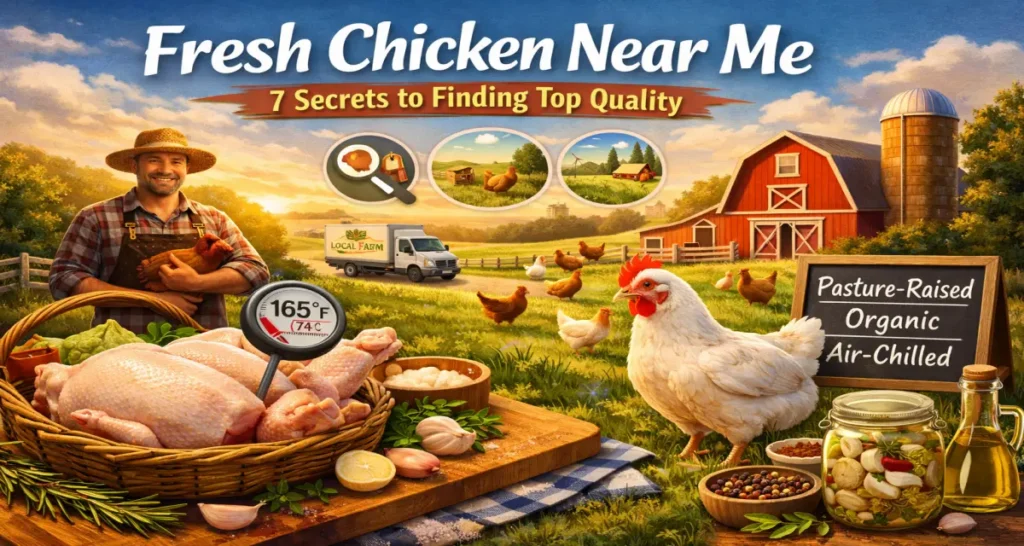
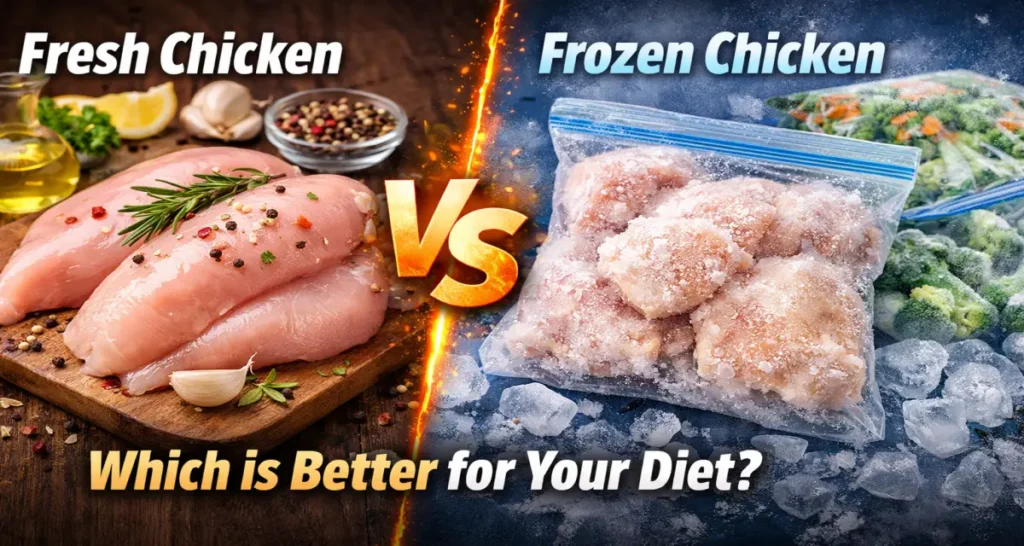
Fresh chicken is something most of us grab without a second thought during our weekly grocery run, but have you ever stopped to wonder if that chilled tray is actually superior to the bags in the freezer aisle? It is a debate that has simmered in kitchens for decades. Whether you are a fitness enthusiast tracking every gram of a high protein diet or a home cook trying to nail that perfect Sunday roast, the choice between fresh and frozen poultry impacts more than just your wallet. It changes the very chemistry of your meal.
When we talk about meat quality, the conversation usually shifts toward texture and moisture. Have you ever noticed how some chicken breasts turn into rubber the moment they hit the pan? That is often the result of how the bird was handled long before it reached your kitchen. While convenience is a massive factor in our busy lives, understanding the nuances of poultry processing can be the secret ingredient to elevating your cooking from “fine” to “restaurant-quality.”
Understanding the Core Differences in Meat Quality
The primary distinction between these two options lies in the temperature journey the meat takes. Fresh poultry is generally kept at a consistent chilled temperature, never dropping below the freezing point. This preserves the cellular structure of the muscle fibers. On the other hand, frozen options undergo a deep-freeze process.
Why does this matter for your dinner? When water inside the meat cells freezes, it expands and forms ice crystals. If the freezing process is slow, these crystals grow large and jagged, essentially puncturing the cell walls. This leads to “purge” or “drip loss” when the meat thaws, leaving you with a drier, tougher result.
Fresh Chicken vs. Frozen: A Comparative Overview
To help you visualize the trade-offs, here is a breakdown of how they stack up across the most important categories for consumers.
| Feature | Fresh Chicken | Frozen Chicken |
| Texture | Supple, tender, and retains moisture | Can be slightly fibrous or dry if not thawed correctly |
| Flavor Profile | Deep, natural, and absorbs marinades quickly | Mild; flavor can be diluted by excess water weight |
| Nutritional Value | Maximum retention of vitamins and minerals | Minimal loss, though some B-vitamins escape during thawing |
| Convenience | Ready to cook immediately | Requires 12 to 24 hours of thawing in the fridge |
| Shelf Life | Short (usually 1 to 2 days in the fridge) | Long (can last up to 9 to 12 months) |
| Cost | Generally higher per kilogram | Often more budget-friendly and available in bulk |
The Impact of Poultry Processing on Your Plate
The journey from the farm to the table is a complex one. Modern poultry processing has come a long way, and the method of chilling is a major factor in the final product. You might see labels like “air-chilled” or “water-chilled.” Air-chilled meat is cooled by passing it through cold chambers, which keeps the natural juices concentrated. Water-chilling involves submerging the birds in ice baths, which can lead to the meat absorbing excess water.
When you buy frozen poultry, it is almost always water-chilled before being blasted with sub-zero air. This is why you sometimes see that milky liquid at the bottom of a bag of frozen wings. It is not just “chicken juice” it is the added water weight that you paid for, now leaking out of the damaged cells.
Is There a Difference in Nutritional Value?
One of the biggest myths in the culinary world is that freezing “kills” the nutrients. In reality, the nutritional value remains remarkably stable. Protein, fat, and most minerals do not care if they are at 2 degrees or -18 degrees. However, the high protein diet crowd should take note: the “drip loss” mentioned earlier contains water-soluble vitamins like B6 and B12. While the loss is statistically small, if you are looking for the absolute peak of nutrition, fresh is the gold standard.
“Cooking is an act of love, and the quality of your ingredients is the first way you show that love. A fresh bird speaks for itself; it doesn’t need to hide behind heavy sauces.”
Why Texture is the Ultimate Dealbreaker
Ask any chef, and they will tell you that texture is 80% of the eating experience. Because the cell walls in fresh meat are intact, the chicken retains its natural elasticity. When you sear a fresh breast, the proteins contract and trap the juices inside. With frozen meat, those “punctured” cells act like a leaky sponge. No matter how much butter or oil you use, a poorly frozen bird will always feel a bit woody or “mealy” compared to its fresh counterpart.
Cooking Techniques for Superior Results
To continue our deep dive into fresh chicken, it is essential to understand how your cooking method can bridge the gap between fresh and frozen options. If you find yourself reaching for a frozen pack because it is cheaper or more convenient for meal prepping, your technique can make or break the final meal.
When dealing with frozen poultry, the secret is a slow thaw in the refrigerator, ideally 24 hours before cooking. If you rush the process by using a microwave or running it under warm water, you are essentially forcing the already-stressed cell walls to leak even more moisture. By allowing the ice crystals to melt gradually, the muscle fibers can reabsorb some of that liquid, keeping the meat slightly more supple.
However, if you are looking for that perfect, crispy skin on a roast, fresh chicken remains the undisputed king. Because the surface of fresh meat is naturally drier, it browns or undergoes the Maillard reaction, much more efficiently. Frozen meat, even when patted dry, often has residual surface moisture from the ice crystals that creates steam rather than a crust. If you are searing, roasting, or grilling, that extra steam is your enemy.
Navigating the Poultry Processing Labels
We have all stood in the supermarket aisle looking at labels like “hormone-free,” “organic,” or “free-range.” While these are important, for the sake of quality, you should look closely at how the bird was processed.
As noted earlier, air-chilling is superior for texture because it avoids the “plumping” effect of water-chilling. In many local markets, you will find vendors who slaughter on-site or source daily. This is the ultimate peak of freshness. When you buy meat that has not traveled across the country to sit in a shipping container, the nutritional value is at its highest. The protein structure has not been subjected to the physical trauma of long-distance transport and repeated temperature fluctuations.
The High Protein Diet and Meat Quality
For those of you dedicated to a high protein diet, you are likely consuming chicken five to seven times a week. At that volume, the quality of the meat matters immensely for your digestion and overall health. Some people find that lower-quality frozen birds, which may have been treated with saline solutions or preservatives to maintain color, cause bloating or digestive discomfort.
If you notice that your post-workout meal feels “heavy” or makes you feel sluggish, consider switching to fresh, locally sourced options for one week. The difference in how your body processes clean, non-processed protein is often immediate. You are not just eating for fuel; you are eating for optimal performance, and fresh ingredients provide the cleanest substrate for your body to repair those muscles.
Local Market Insights and Selection Tips
Living in a busy city, we often have to balance the convenience of supermarkets with the quality of local butchers. My advice? Build a relationship with your local butcher. They can tell you exactly when the shipment arrives and how long the bird has been hanging.
When inspecting fresh chicken at the shop, use your senses. It should be firm to the touch, if you press it and the indentation stays, it is not fresh. The skin should look creamy or yellowish, never gray or slimy. If it has a strong, pungent odor, walk away immediately. Trust your gut; fresh meat should have a neutral, mild scent.
For those concerned about safety standards, you can check the official guidelines on poultry handling and storage provided by the FSSAI, ensuring your kitchen meets the highest regulatory benchmarks.
Frequently Asked Questions
1. Does frozen chicken lose its protein content?
No, freezing does not significantly alter the macronutrient profile. The protein content remains the same whether the meat is fresh or frozen.
2. Is it safe to refreeze chicken after it has been thawed?
It is generally recommended not to refreeze chicken once it has been fully thawed, as it increases the risk of bacterial growth and significantly degrades the texture.
3. What is the most accurate way to defrost poultry?
The safest and most effective method is to move the frozen package from the freezer to the refrigerator at least 24 hours before you plan to cook it.
4. Why does my chicken look white after being frozen?
That is freezer burn. It happens when air comes into contact with the surface of the meat. While it is safe to eat, that part of the meat will be dry and tough, so it is best to trim it off before cooking.
5. Is air-chilled chicken worth the extra cost?
If you prioritize flavor and texture, yes. Air-chilled chicken does not absorb excess water, meaning you are paying for actual meat weight rather than water weight, and it crisps much better in the pan.
Final Thoughts on Your Kitchen Strategy
Ultimately, the choice between these two comes down to your lifestyle. If you are a meal-prep warrior who needs to stock up for the month, frozen is a perfectly valid, cost-effective tool. But if you are cooking to impress, or if you are hyper-focused on the subtle textures and nutritional value of your food, fresh is the way to go.
Remember, the best chefs in the world do not rely on complex recipes; they rely on exceptional ingredients. Start with the best chicken you can find, handle it with care, and let the natural flavors speak for themselves. You will taste the difference in every bite, and your family will surely notice the upgrade. Happy cooking!